Guide
You can't unclench a jaw you haven't noticed
Daytime clenching runs on autopilot, but it isn't a reflex — the moment you notice it, you can stop. The trick is being reminded to look, often enough that looking becomes the habit.
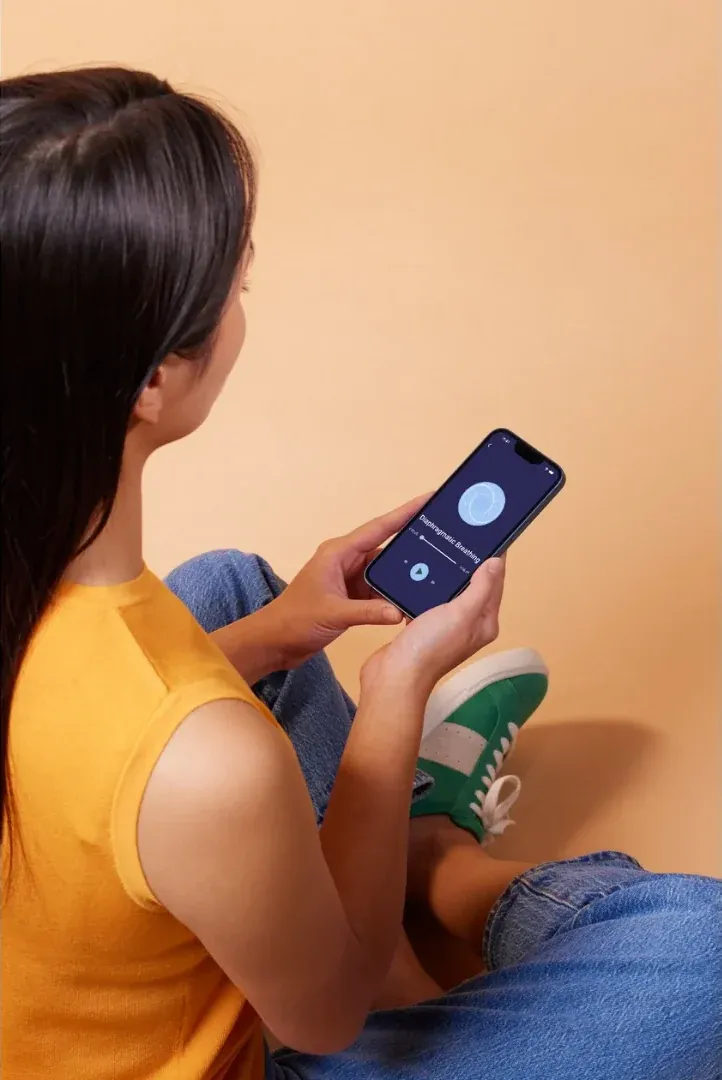
As Seen In





The Problem
Why a reminder does the work
Awake clenching happens while you're absorbed in something else — a screen, a meeting, traffic. By the time you notice, you've been holding it for twenty minutes. A prompt that arrives while it's happening turns an invisible habit into a moment you can act on, and repetition is what moves the default.
Four ways to get reminded
Pick whichever you'll actually keep up
The first two cost nothing and need no app — start there. Both stop at bedtime, which is where the last two come in.
01
Stickers where your eyes already go
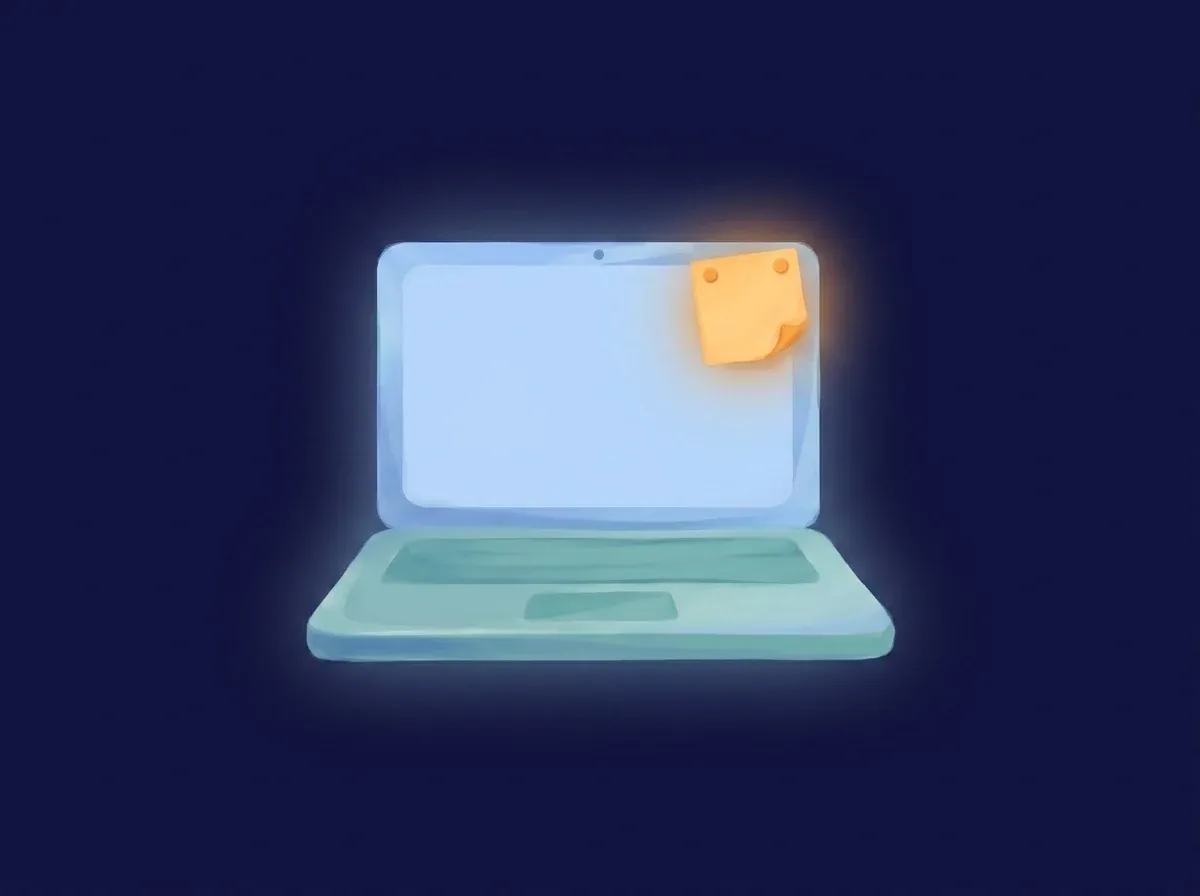
Small coloured dots on the laptop bezel, the steering wheel, the bathroom mirror, the kettle. Every time one catches your eye: lips together, teeth apart, tongue up. It costs nothing, and it works because it rides on things you already look at.
02
Fixed moments in the day
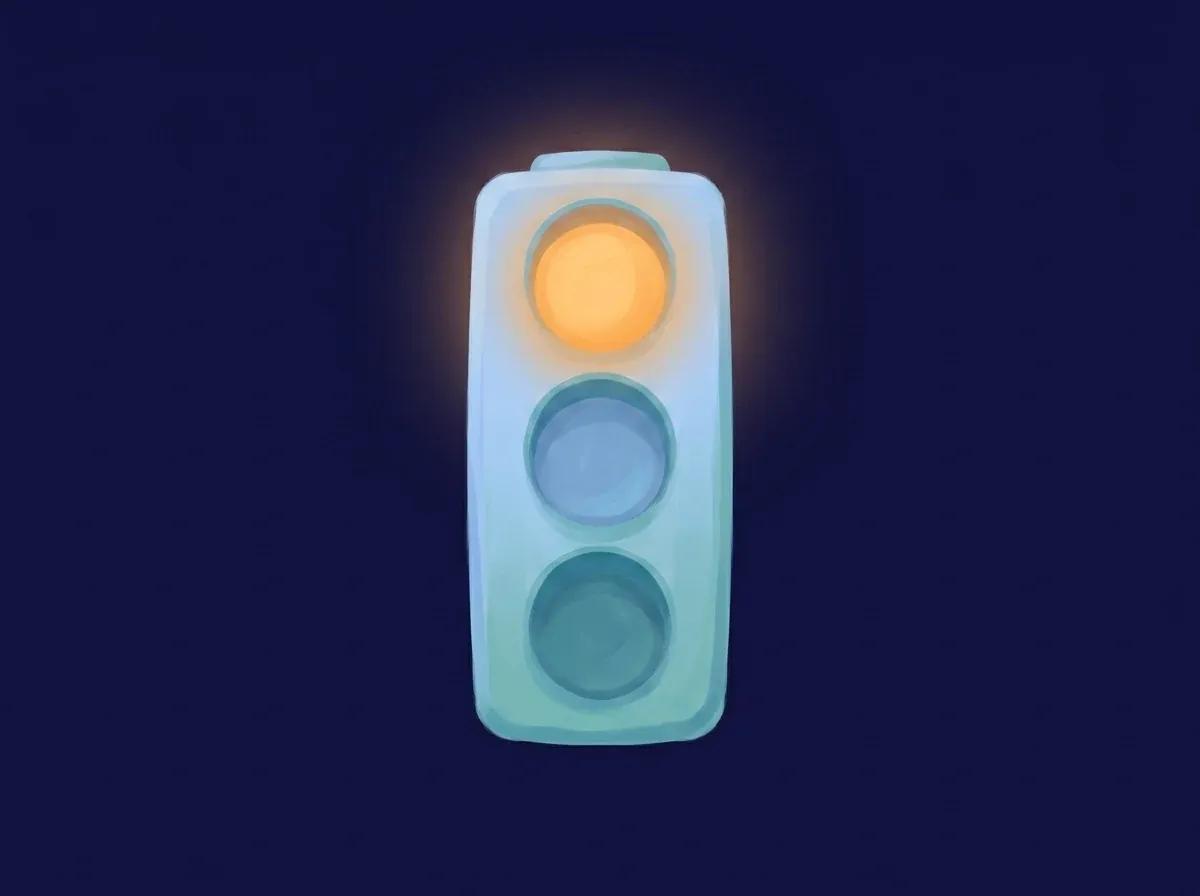
Tie the check to something that already happens: every time you send an email, every red light, the start of every meeting, every time you pick up your phone. An existing habit is a better anchor than a time of day.
03
Prompts at unpredictable times
A fixed alarm gets tuned out within days. Prompts that arrive at varied moments keep catching you in different situations — at your desk, in the car, mid-conversation — which is also how you find out when you clench rather than just that you do.

04
A cue while you're asleep
None of the above reach the night, because you can't answer a check-in in your sleep. That's the gap the wearable exists to close: it notices the activity and responds while it's happening.

The Jaw Behaviour Quiz
Two minutes to a clearer picture of what your jaw is doing.
Fourteen questions about your days, your nights and what you put into them — and a read on where yours points. A starting point, not a diagnosis.




14 questions · about 2 minutes · free, no account needed
Do you wake up with a tired, stiff or sore jaw?
- Most mornings
- Sometimes
- Rarely or never
Get my result
Backed by





What you get back
Every check-in is a data point
The reminding is half of it. The other half is what the answers add up to.
When it happens
Time of day, day of week, and how the answers cluster — most people find a shape they didn't know was there.
What it happens around
The diary sits alongside the check-ins, so meetings, deadlines, short nights and sore mornings line up against the clenching instead of being remembered separately.
Whether it's changing
The only way to know whether any of this is working. A month of check-ins is a baseline you can measure the next month against.
What the evidence actually supports
Self-management and education reduce chronic orofacial pain beyond three months — a meta-analysis of 12 randomised trials and 757 participants, GRADE rated high. Learning to catch the clench is a core part of that self-management, and it is the best-evidenced thing we do.
Below three months the same analysis shows nothing, so we won't promise you a fortnight. And nobody has shown that daytime practice alone retrains night-time activity — the night runs on different machinery.
The full evidence, including what hasn't been shownRelated guides
The JawSense app
Reminders that learn your pattern
Check-ins at varied moments, a record of what you answered, and the patterns underneath — which days, which hours, what they have in common.


 Scan to get the app
Free · iOS & Android · works without the device
Or start with the 2-minute jaw quiz
“The check-ins made me realise I was clenching all day at work. Now I catch myself and let go of it. My awareness has completely changed.”