Guide
TMJ pain is real. So is the science that helps.
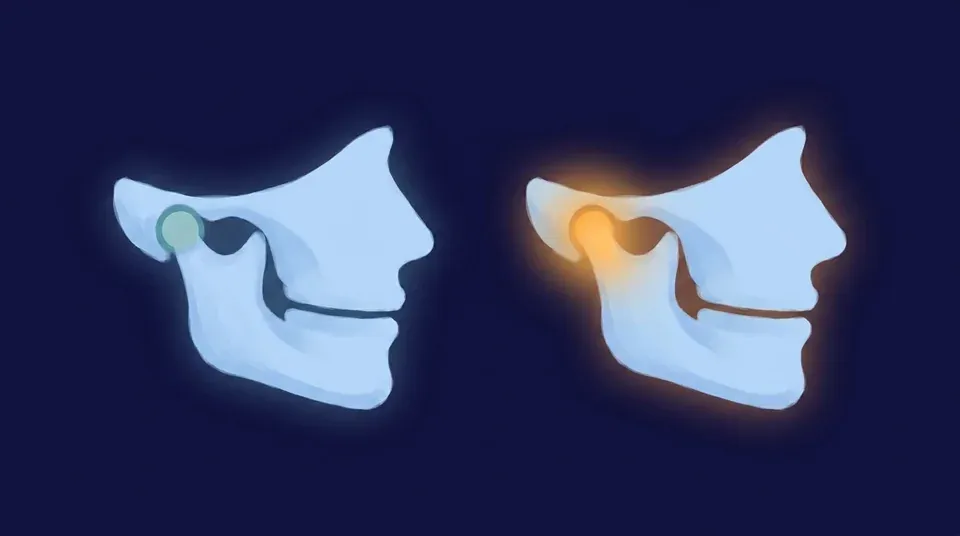
TMJ pain is real, and it usually tracks load — hours of quiet clenching the joint never signed up for. The useful first step is seeing when that load happens.

As Seen In





The Problem
Why most TMD approaches don't work
You've been told it's stress. You've been given a night guard. Maybe you've been dismissed entirely. Here's what most approaches miss: a large share of people with TMD also grind or clench — behaviour that keeps reloading a sore jaw. Managing TMD without understanding your bruxism is managing half the problem.
JawSense helps you see the full picture: exercises for the sore jaw, and a way to catch the grinding and clenching that keep it sore.
Why it happens
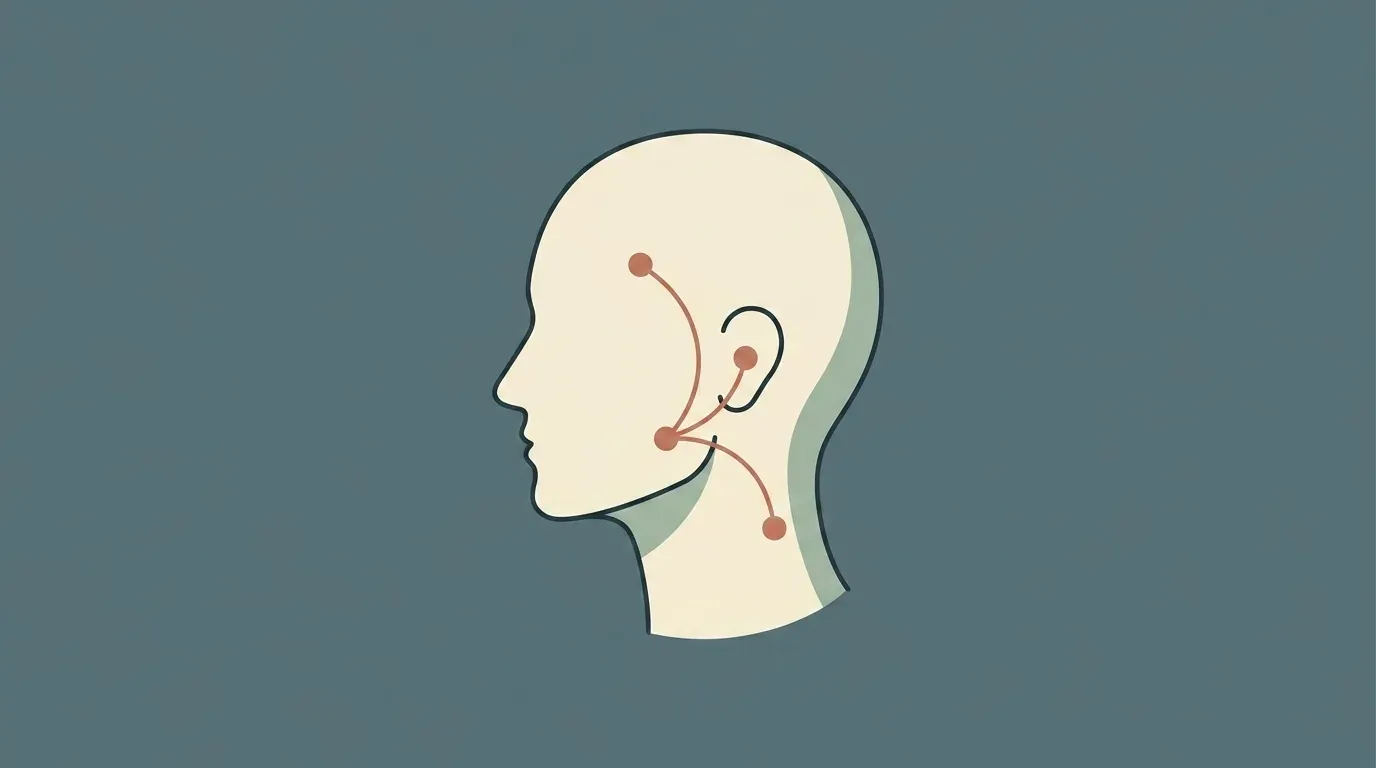
The jaw is where you feel it. It isn't where it starts.
Your jaw doesn't decide to do this. Your nervous system does — mostly without asking you first. It isn't your bite. It isn't weak willpower. And it's never one thing.
- Stress & emotionThe best-established piece — for daytime clenching. At night it colours the picture rather than flipping the switch.
- Sleep & breathingMost of the night's activity clusters in lighter sleep, around the moments your brain briefly surfaces.
- Daytime loadEight hours of quiet bracing at a desk doesn't politely clock off at bedtime.
- What you drink & takeAlcohol, caffeine, nicotine and some medications are all associated with more jaw activity.
- GeneticsSome of this simply runs in families. It isn't something you did.
- Posture & habitsWhere your head, neck and tongue sit changes what the jaw is quietly asked to hold.





Single-cause fixes keep disappointing people for the same reason. Fix the bite, manage the stress, buy the guard — each aims at one input and hopes it was the one. We'd rather measure the thing they all end up in.
The research behind thisThe Jaw Behaviour Quiz
Two minutes to a clearer picture of what your jaw is doing.
Fourteen questions about your days, your nights and what you put into them — and a read on where yours points. A starting point, not a diagnosis.


14 questions · about 2 minutes · free, no account needed
Do you wake up with a tired, stiff or sore jaw?
- Most mornings
- Sometimes
- Rarely or never
Get my result
The pathway
How JawSense helps with TMJ pain
Measure it first, then change it. Nothing here starts from a guess.
01 · See it
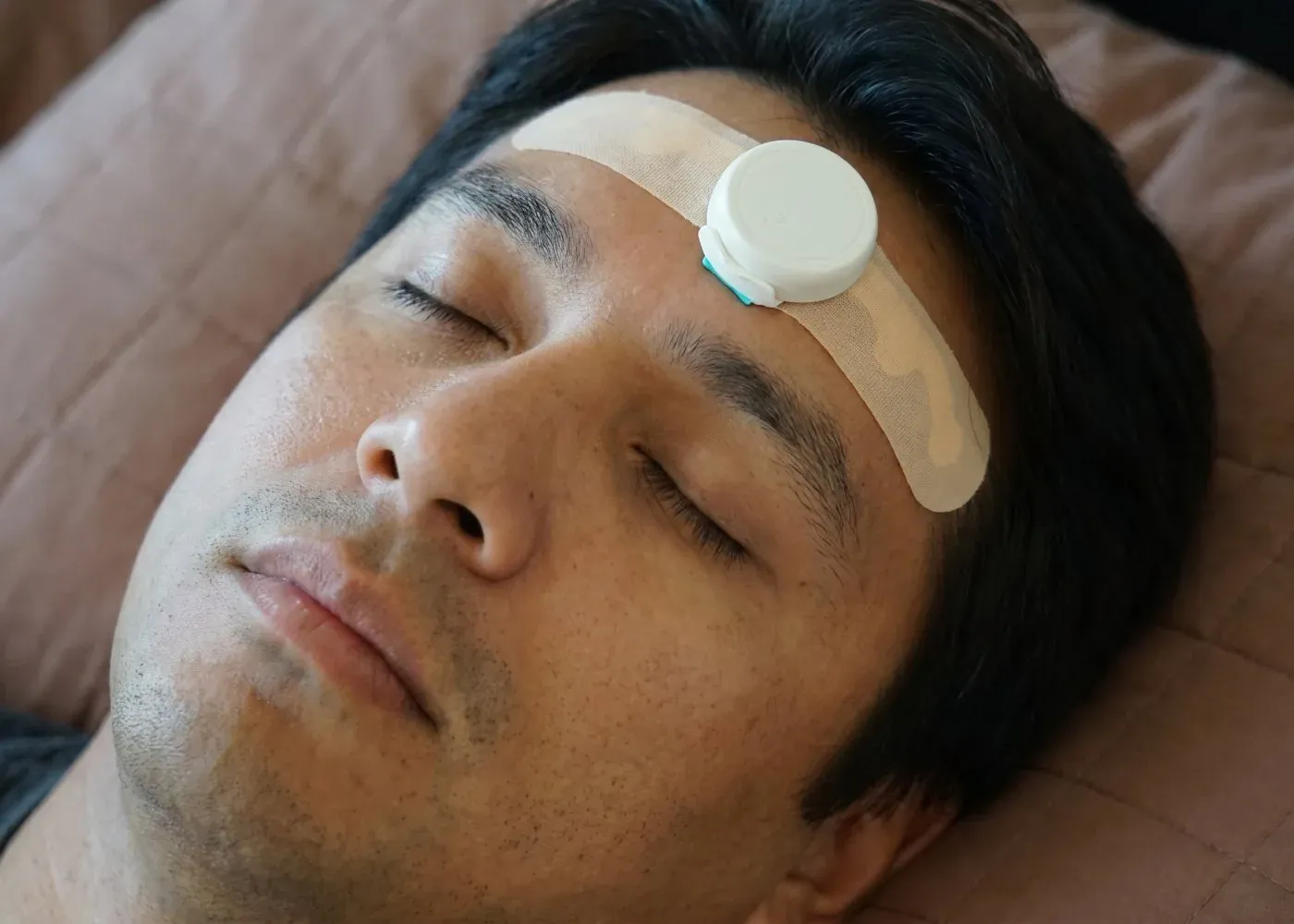
Jaw Activity Assessment
Measure how often and how hard your jaw works at night — the load picture your daytime symptoms never show you. The app's daytime check-ins run alongside — they map the half you're awake for, and the sensor takes that half over directly once the Day Biofeedback Programme ships.
- Two nights in your own bed
- Your Jaw Score and your Jaw Activity Report, yours to keep
- The Results Walkthrough — a 15-minute call to go through your results
02 · Change it · nights
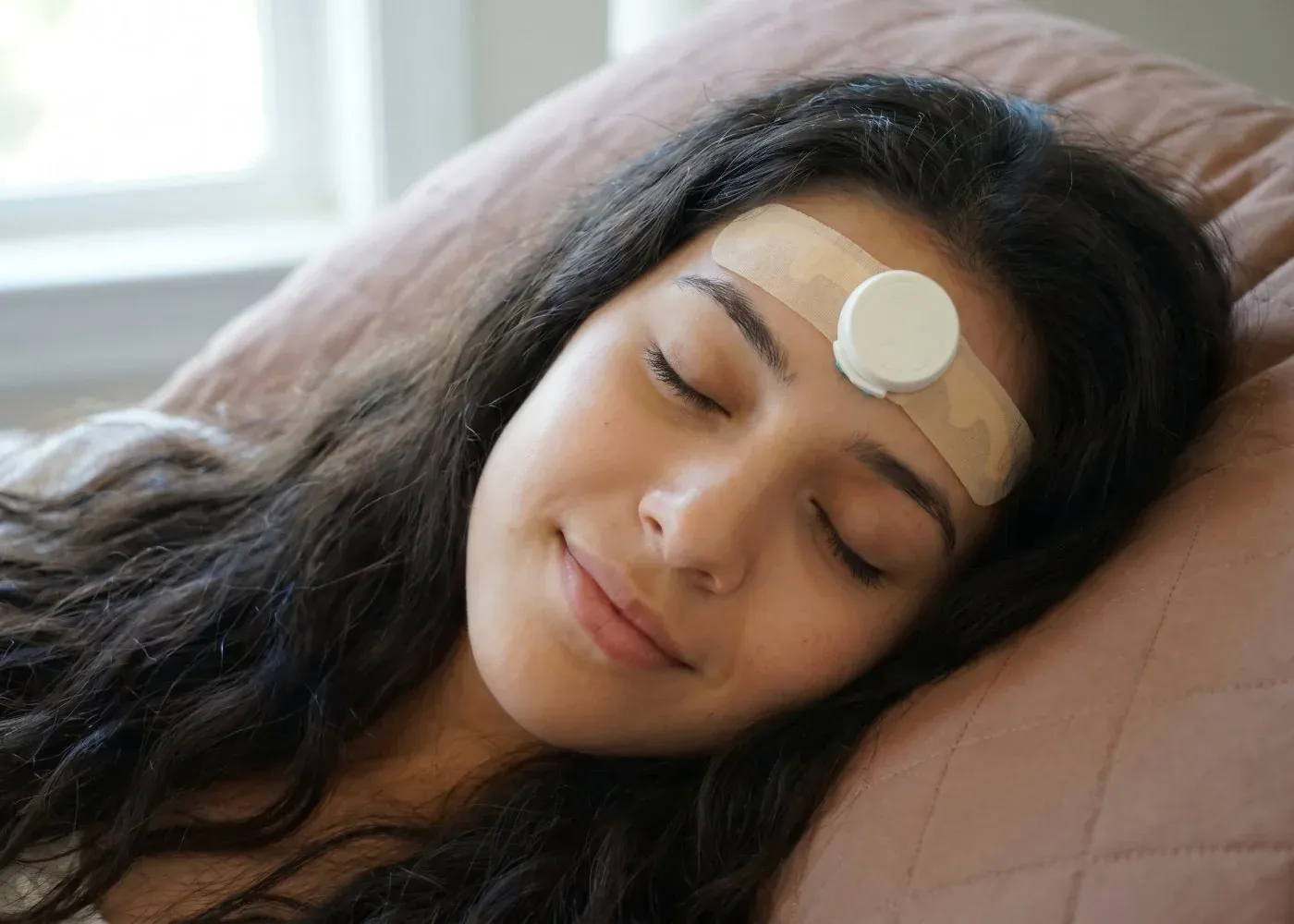
The Night Biofeedback Programme
Then work on reducing night-time clenching and grinding — twelve measured weeks aimed at the behaviour, not the label. Release work in the app runs alongside, free — guided exercises, and tracking for whether either half is shifting.
- Starts from your own Assessment, never from a guess
- Twelve weeks of biofeedback tuned to your own jaw, in small groups
- A cue the moment your jaw goes to work — so the habit gets interrupted, not just recorded
03 · Alongside · days
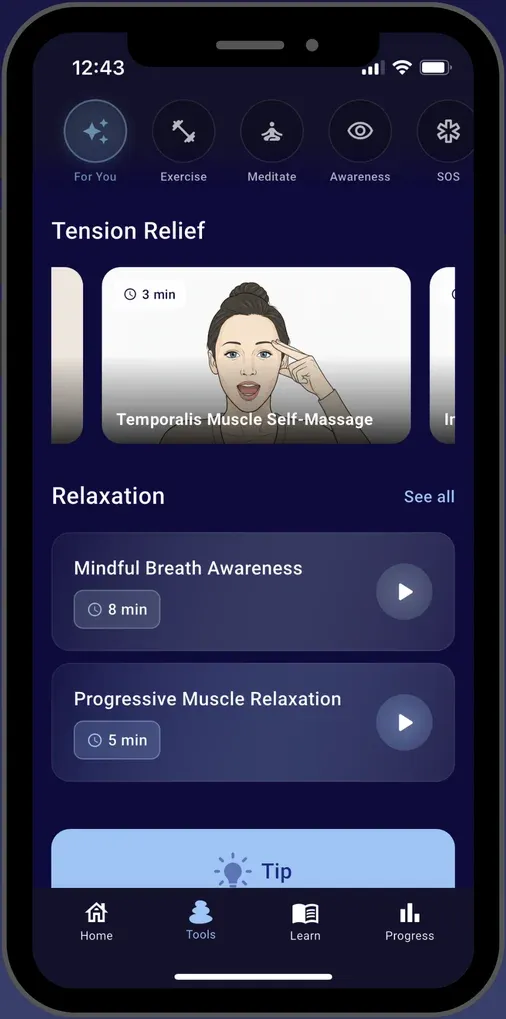
The daytime half, in the app
The nights are one half. The other happens while you are awake, and it does not wait for a device — check-ins that catch a clenched jaw while you can still feel it, release work you can do at a desk, and a record of whether either half is shifting.
- Daytime check-ins, at varied moments so they keep catching you
- Guided release and jaw-relaxation exercises
- Yours whether or not you ever measure a night
Why JawSense
Why load is the thing to measure
Our exercise library is built from the jaw-exercise protocols an international expert panel agreed on (Lindfors et al., 2019). We didn't run that study; we follow it.
Real Results
"I've tried everything for my headaches and TMJ so I didn't expect much of the app. To my surprise, the exercises actually made me feel better and I enjoy having a buddy to help me with my pain."
Backed by






Frequently Asked Questions
Is TMJ pain something I just have to live with?
Do I need surgery for TMJ?
Why does my pain keep coming back?
Is this just another 'learn to relax' solution?
Is the app free?

Related guides
The JawSense app
Start by seeing when the load happens
What you can do yourself for TMD — the same things the guidelines recommend. Free to start, today.


 Scan to get the app
Free · iOS & Android · works without the device
Or start with the 2-minute jaw quiz
“The check-ins made me realise I was clenching all day at work. Now I catch myself and let go of it. My awareness has completely changed.”