Target sleep grinding with neurostimulation that works while you sleep
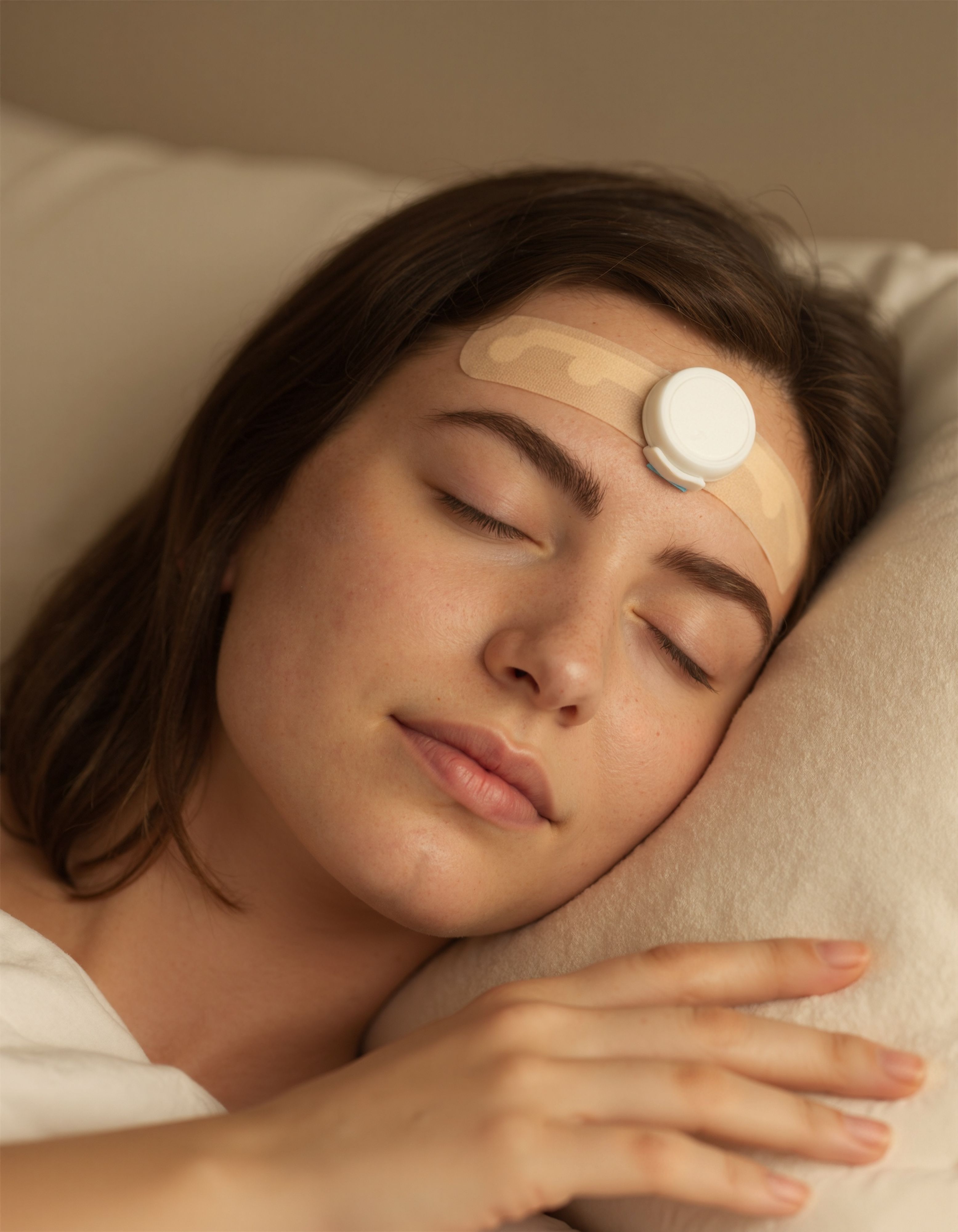
Our wearable device will detect teeth grinding as it happens and deliver gentle electrical stimulation to trigger your jaw's natural relaxation reflex — without waking you. Published research reports significant reduction in grinding that persists even after stopping use.
2,000+
joining waitlist
Neurostimulation that targets grinding at its source
This isn't experimental. The core technology has been proven effective in clinical trials since the 1990s. We're finally making it accessible with modern, comfortable wearable design.
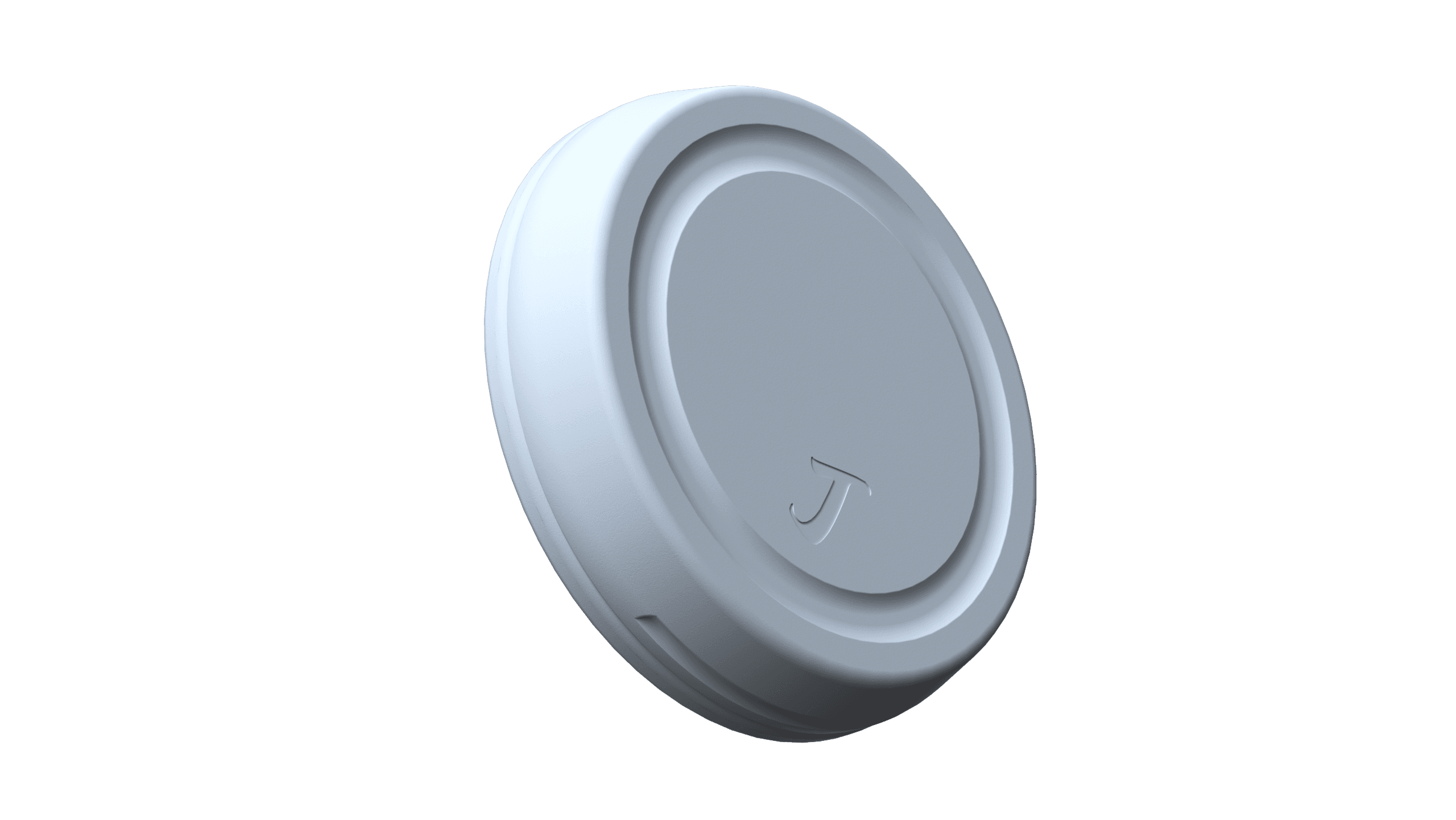
As light as a £2 coin
Detects & Intervenes
Senses grinding episodes as they start and triggers your jaw's natural relaxation reflex to interrupt them.
Targets the Root Cause
Works with your body's natural reflexes — not just protecting teeth like splints or weakening muscles like Botox.
Won't Wake You Up
Stimulation is below perception threshold — it works with your natural reflexes without disrupting your sleep.
I was afraid the stimulation would wake me up but I didn't notice anything — even though I received stimulation 184 times!
— Device tester
I once cut my holiday short because I forgot my nightguard and I was afraid I was going to ruin my teeth. I can't believe I was going to keep living like that.
— Waitlist member
Why other treatments don't work
Now you understand how neurostimulation works. Here's why alternatives fall short.
Occlusal Splints
Protect teeth but may actually increase clenching activity
Botulinum Toxin
Reduces muscle force but doesn't reduce grinding episodes
Medications
Limited evidence, significant side effects, not addressing root cause
Sleep Hygiene
Helpful but insufficient — bruxism is brainstem-mediated, not consciously controlled
Backed by research, validated by trials
UKRI Innovate UK funded for device development. Together with our research partners, we're planning clinical trials to validate our technology.



Be among the first 500 users
The sleep device launches in 2026 with limited initial production. Join 2,000+ people on the waitlist for priority access and founding member pricing.
No spam. Unsubscribe anytime. We respect your inbox.
Neurostimulation FAQs
6-week
program
Start managing sleep bruxism today
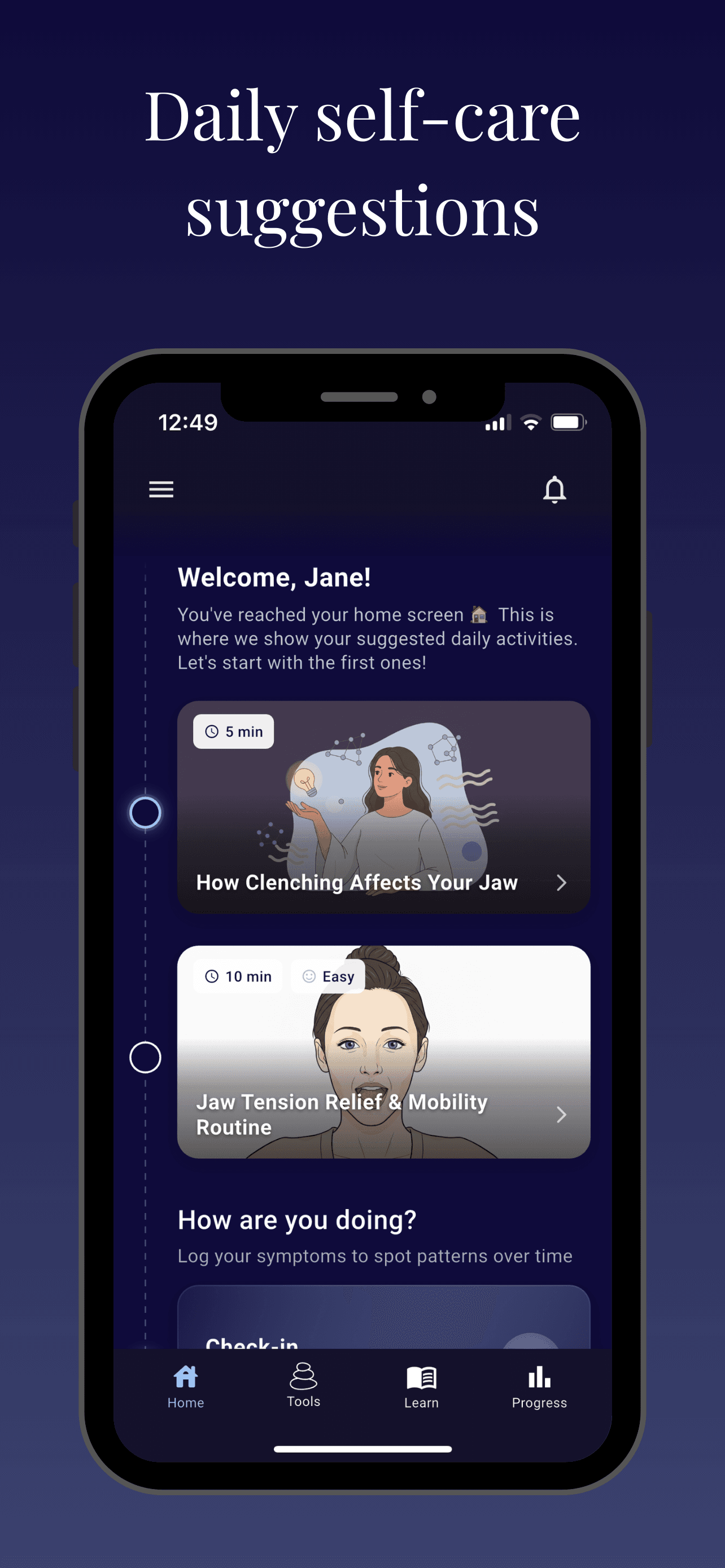
While the neurostimulation device is in development, our app offers evidence-based management strategies — education, myofunctional exercises, and a symptom diary.
Built on clinical guidelines: Comprehensive sleep bruxism program addressing triggers, stress, and jaw tension.
Sleep Bruxism Resources
Understanding and treating teeth grinding at night
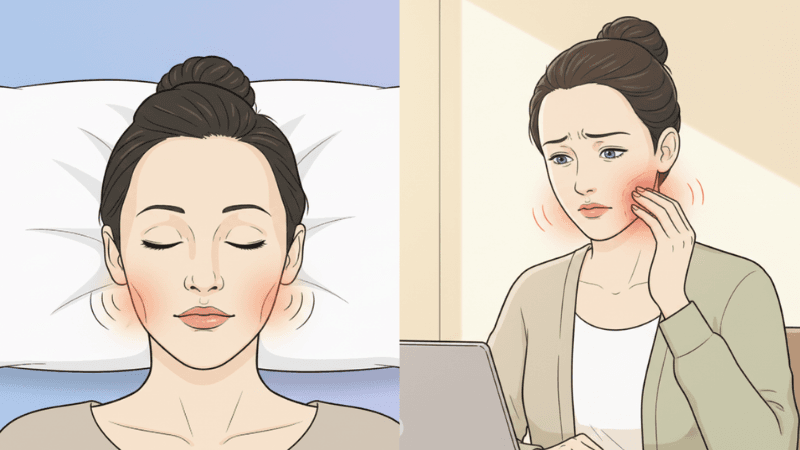
Sleep Bruxism vs Awake Bruxism: Why Treatment Must Differ
Same name, different conditions. Sleep and awake bruxism involve distinct brain mechanisms—which is why treating them identically often fails.
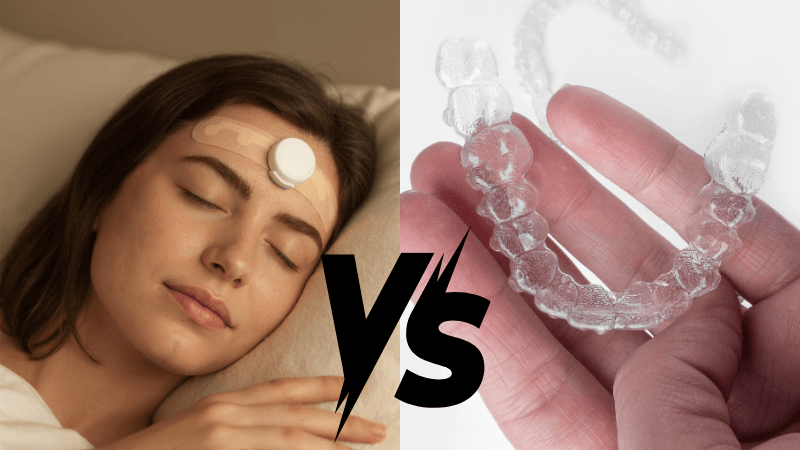
Biofeedback vs Night Guards: Which Actually Works for Bruxism?
Night guards protect teeth but don't stop grinding. Biofeedback aims to reduce the behaviour itself. Here's what research says about each approach.
Understanding Bruxism: A Complete Guide
Everything you need to know about teeth grinding and jaw clenching — from causes and symptoms to evidence-based treatments.